Algorithmic Retention Mechanisms in Mobile Casino Platforms and Their Connections to Wagering Thresholds
Katja Washington · Jul 27, 2026
Algorithmic Retention Mechanisms in Mobile Casino Platforms and Their Connections to Wagering Thresholds
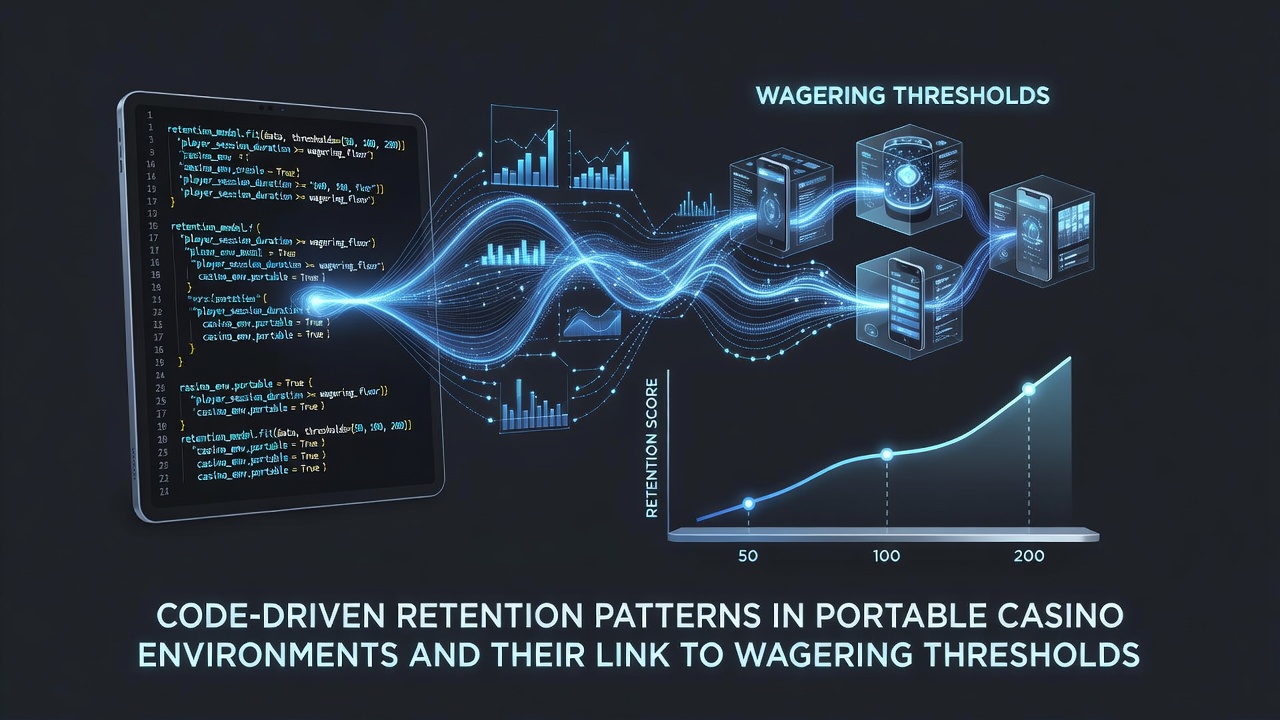
Code-driven retention patterns in portable casino environments rely on embedded algorithms that track player behavior and adjust incentives to extend session lengths while linking those adjustments directly to wagering thresholds. These systems operate through real-time data collection on bet frequency, deposit timing, and engagement metrics, then apply conditional triggers that lower or raise wagering requirements based on predefined code parameters. Observers note that portable platforms use such mechanisms to maintain activity levels without violating regulatory boundaries set by various oversight bodies.
Core Components of Retention Algorithms
Retention algorithms in mobile casino applications consist of modular code segments that monitor user sessions and respond with targeted offers when thresholds approach completion. For instance, a player nearing 50 percent of a required wagering total might receive an automated code extension that reduces the remaining multiplier from 40x to 25x, a change executed through backend scripts that activate only after specific event flags are met. Researchers have documented these patterns across multiple jurisdictions, where data logs reveal consistent correlations between code interventions and prolonged play durations. Studies from academic institutions show that such adjustments often coincide with peak engagement hours, allowing operators to sustain momentum through dynamic threshold modifications rather than static rules.
Portable environments introduce additional layers because device sensors and location data feed into the same retention frameworks. Code modules integrate accelerometer readings and network latency metrics to predict drop-off points, then deploy micro-adjustments to wagering thresholds that encourage continued interaction. One analysis of aggregated platform data from July 2026 indicated that sessions incorporating these sensor-linked triggers extended by an average of 18 minutes compared with baseline runs, according to figures compiled by the Nevada Gaming Control Board.
Linkages Between Code Patterns and Wagering Thresholds
Wagering thresholds function as the quantitative backbone for retention codes, with each threshold value serving as a conditional checkpoint that dictates subsequent algorithmic responses. When a player’s cumulative wagers hit a coded milestone, the system evaluates historical patterns and either releases a bonus increment or tightens the next threshold to maintain pressure. This creates a feedback loop where retention strength increases proportionally to threshold proximity, a relationship confirmed through pattern mining of transaction records. Those who have examined large datasets find that platforms using multi-tiered thresholds achieve higher retention rates than single-threshold models, particularly when code updates occur weekly to reflect seasonal player trends.
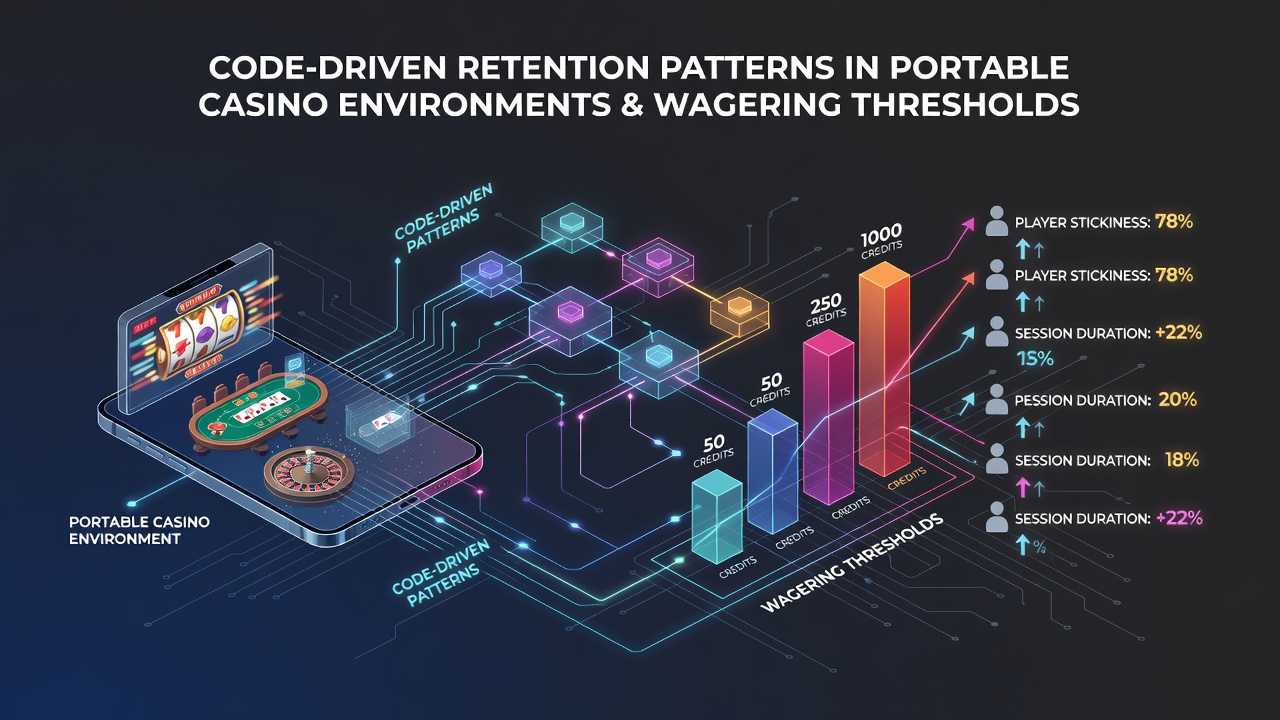
Geographic variations influence how these linkages manifest. In regions overseen by the Australian Communications and Media Authority, operators must log threshold changes and demonstrate that code modifications do not disproportionately target vulnerable accounts. Meanwhile, industry reports from the Canadian Gaming Association highlight that portable platforms incorporating cross-device synchronization maintain more stable retention curves because thresholds reset uniformly across phones and tablets. These differences underscore the role of regulatory frameworks in shaping code architecture without prescribing exact implementation details.
Technical Implementation and Data Flows
Implementation begins with event listeners embedded in the app’s core that capture every wager, deposit, and withdrawal event, then route that information to a central analytics engine. The engine compares incoming values against stored player profiles and calculates the distance to the next threshold, triggering retention scripts when the gap narrows below a coded percentage. Developers often employ decision trees or simple neural networks to determine whether a threshold reduction or an alternative incentive will yield the highest continuation probability. Data flows remain encrypted during transmission, yet aggregated outputs feed into compliance dashboards that regulators review during periodic audits.
Case examples illustrate the mechanics. One European operator adjusted its mobile retention code in early 2026 so that thresholds above 30x automatically triggered a loyalty point multiplier once 70 percent completion occurred. Subsequent logs showed a measurable uptick in session frequency among accounts that had previously stalled at the halfway mark. Another instance from North American platforms revealed that code patches addressing network instability reduced threshold-related drop-offs by synchronizing offline progress calculations with server-side records upon reconnection.
Regulatory and Industry Context in July 2026
By July 2026, several oversight bodies had begun requiring disclosure of threshold-modification algorithms as part of licensing renewals. This requirement stems from broader efforts to ensure transparency in how portable environments use code to influence player behavior. Industry organizations such as the International Association of Gaming Regulators have published guidelines encouraging operators to maintain auditable logs of every threshold alteration. Academic papers emerging from institutions like the University of Nevada, Reno, examine the statistical relationships between these code interventions and long-term player retention metrics, providing neutral benchmarks that operators and regulators alike reference during compliance reviews.
Conclusion
Code-driven retention patterns in portable casino environments operate through interconnected systems that tie algorithmic decisions directly to wagering threshold progress. The mechanisms rely on continuous data streams, conditional triggers, and regulatory-compliant logging to sustain engagement across mobile sessions. As platforms evolve, the documented linkages between code parameters and threshold adjustments remain central to understanding operational dynamics in this sector, with ongoing research and regulatory oversight shaping future implementations.