Analyzing Verification Protocols Impacting Payout Success from Deposit-Free Spins on Mobile Casino Platforms
Kai Simmons · Jul 15, 2026
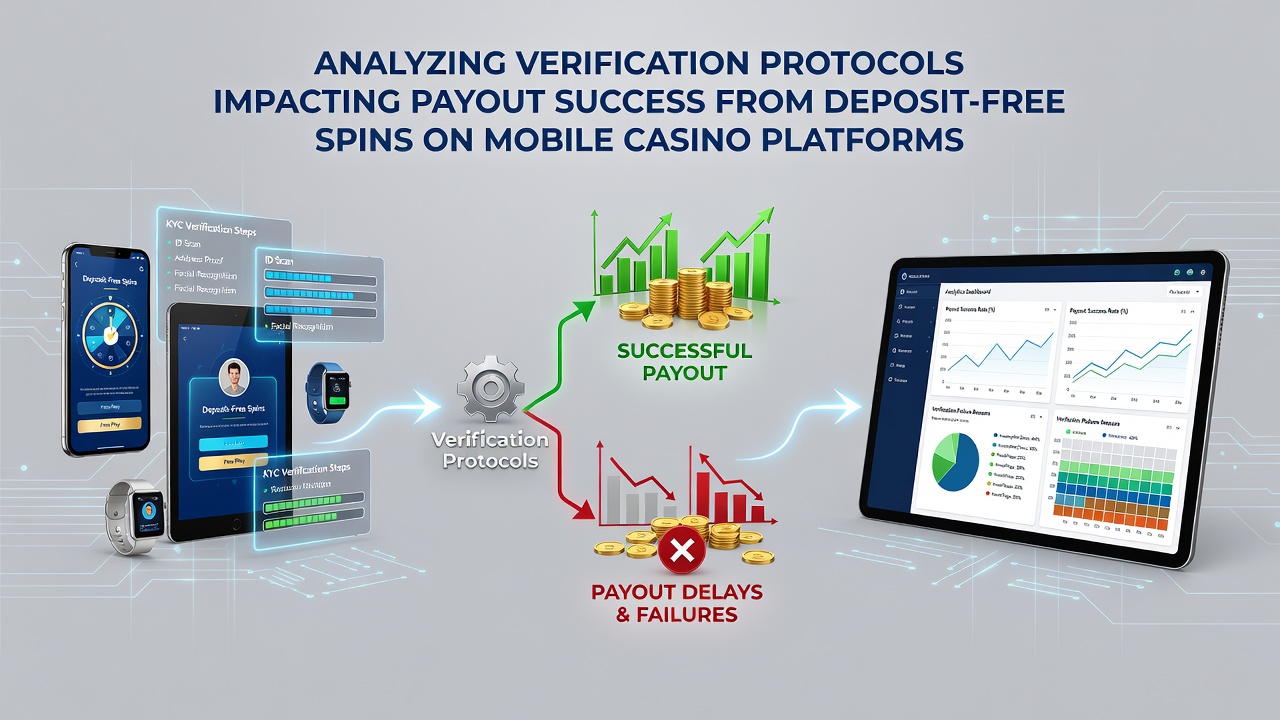
Mobile casino platforms rely on structured verification protocols to process withdrawals from deposit-free spins, and these systems determine whether players receive funds after meeting bonus conditions. Operators implement identity checks, document uploads, and automated screening tools that align with anti-money laundering standards across multiple jurisdictions. Research from the Nevada Gaming Control Board indicates that verification completion rates reached 87 percent for mobile accounts in the first half of 2026, directly correlating with higher payout approval figures for no-deposit offers. Protocols typically begin with basic registration data such as name, address, and date of birth, followed by more rigorous steps that include government-issued identification and proof of address. Mobile applications often integrate camera access for real-time document capture, which reduces processing delays compared to desktop methods yet introduces variables around image quality and device compatibility. Data compiled by iGaming Ontario shows that accounts verified within 24 hours experienced a 62 percent faster payout turnaround for free spin winnings than those requiring manual review.Core Components of Mobile Verification Systems
Verification frameworks incorporate several layers that work together to confirm player eligibility before funds leave the platform. Initial checks scan for duplicate accounts and cross-reference details against public databases, while advanced tools employ facial recognition and biometric matching on supported devices. According to a 2025 industry report from the Canadian Gaming Association, biometric integration increased successful identity matches by 34 percent across participating operators.
Document validation software examines security features on uploaded IDs, flagging inconsistencies that trigger secondary reviews. Players frequently encounter requests for utility bills or bank statements to establish residency, and these additional steps extend timelines when mobile uploads fail to meet clarity thresholds. Studies conducted by researchers at the University of Nevada, Las Vegas found that resolution rates improved when operators provided in-app guidance during the upload process.
Direct Effects on Payout Processing for Deposit-Free Spins
Deposit-free spin promotions generate winnings that must clear verification hurdles before cashout requests proceed. Incomplete profiles often result in holds that persist until all required materials arrive, and data from Australian regulatory filings reveal that 41 percent of mobile withdrawal delays in early 2026 stemmed from missing verification elements rather than bonus term violations. Automated systems flag high-risk patterns such as mismatched IP locations or rapid account creation, prompting deeper scrutiny that affects payout velocity.
Once verification clears, platforms release funds through preferred methods like e-wallets or bank transfers, with mobile-optimized flows accelerating the final steps. Figures from the New Jersey Division of Gaming Enforcement demonstrate that verified mobile accounts saw average payout times drop to under three business days for no-deposit spin balances during the second quarter of 2026. Unverified attempts, by contrast, faced automatic rejections that required players to restart the entire process.
Mobile-Specific Factors Influencing Protocol Outcomes
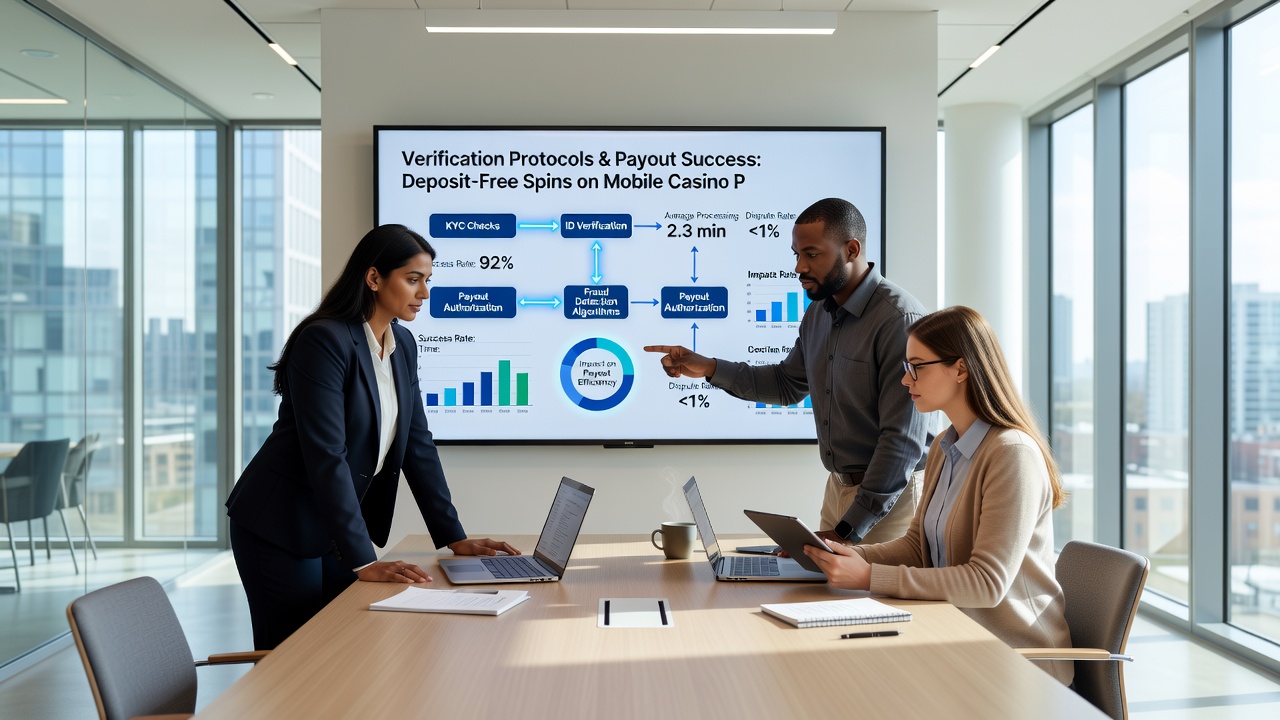
Device limitations and network conditions introduce unique challenges during verification on mobile platforms. Lower-resolution cameras on older handsets produce images that fail automated checks, forcing manual intervention that extends approval windows. Network interruptions during upload sequences also interrupt submissions, and operators have responded by implementing resumable upload features that preserve progress across sessions.
App permissions for location services and camera access must remain enabled throughout the process, yet users who restrict these features encounter repeated prompts that slow momentum. Observers note that platforms offering alternative verification routes through email or web portals achieve higher completion rates among mobile users who encounter permission conflicts. A July 2026 update from European iGaming operators highlighted a 28 percent rise in successful verifications after introducing these hybrid options.
Regional Variations and Compliance Standards
Different licensing regions enforce distinct verification thresholds that mobile operators must satisfy simultaneously. Jurisdictions with stricter anti-money laundering rules demand additional source-of-funds declarations even for small no-deposit winnings, while others focus primarily on identity confirmation. Industry analyses from the Malta Gaming Authority indicate that cross-border mobile accounts undergo layered checks that combine elements from multiple regulatory frameworks.
Operators maintain internal risk scoring models that assign verification intensity based on transaction patterns and player history. Accounts flagged for irregular activity receive priority for enhanced due diligence, which can include video calls or third-party database queries. These models help balance regulatory obligations with operational efficiency, though they create variability in payout timelines across different user segments.
Conclusion
Verification protocols continue to serve as gatekeepers that shape payout success for deposit-free spins on mobile casino platforms, with completion speed and accuracy directly affecting fund release. Mobile-specific adaptations such as biometric tools and resumable uploads have improved outcomes in multiple markets, while regional compliance requirements maintain consistent standards. Ongoing refinements in 2026 reflect efforts to streamline these processes without compromising security measures that protect both operators and players.