Charting Cashout Routes for Signup Spins with Minimal Playthrough at Licensed Mobile Gaming Apps
Katja Washington · Oct 4, 2026
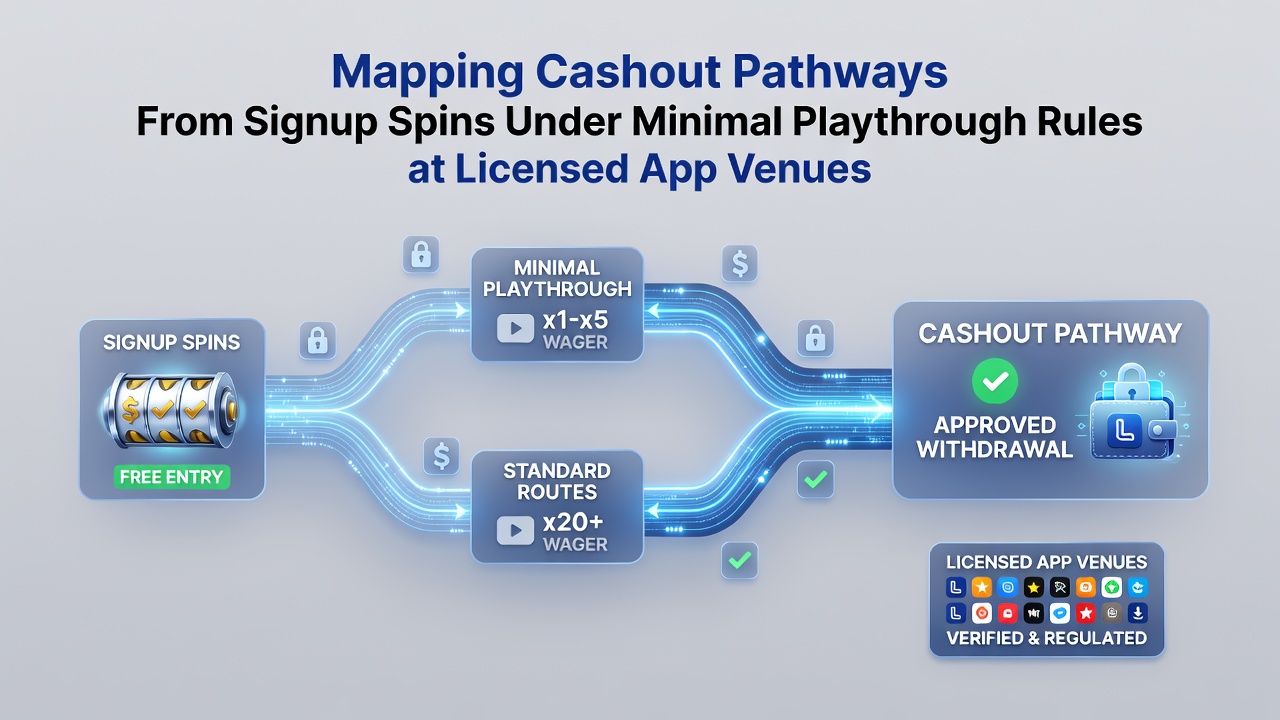
Charting Cashout Routes for Signup Spins with Minimal Playthrough at Licensed Mobile Gaming Apps
Operators at licensed app venues structure signup spins so that winnings move through defined verification and wagering stages before any withdrawal becomes possible, and players who examine these sequences find consistent patterns across multiple platforms. Data from regulatory filings in 2026 shows that minimal playthrough rules typically require users to wager winnings between 20 and 40 times before cashout eligibility triggers, yet the exact sequence depends on game selection and account verification status. Observers note that apps licensed in multiple jurisdictions maintain separate ledgers for bonus funds and real-money balances, which creates distinct pathways that users must follow in order.
Verification Steps That Precede Any Cashout
Account verification forms the first gate in every licensed app, because regulators require identity confirmation before any funds leave the platform. Users upload government-issued identification and proof of address, after which the system cross-checks details against third-party databases; once cleared, the account status changes to verified and the bonus ledger unlocks for play. Research from the European Gaming and Betting Association indicates that verification times average between four and twenty-four hours when documents match exactly, while mismatches extend the process by several days. Those who complete verification early discover that subsequent cashout requests process faster because the platform already holds confirmed banking details.
How Minimal Playthrough Rules Shape Withdrawal Timing
Minimal playthrough rules convert bonus winnings into withdrawable cash only after the required number of wagers completes on eligible games. Slots usually contribute 100 percent toward the requirement, whereas table games contribute at reduced rates or not at all, so players who stick to spinning reels finish the playthrough in fewer sessions. Figures from industry reports reveal that many apps track progress in real time within the account dashboard, displaying remaining wagering amounts and eligible game lists that update automatically after each round. When the playthrough meter reaches zero, the bonus balance converts automatically into the main wallet, at which point standard withdrawal rules apply.
Mapping the Actual Cashout Sequence in Practice
Once conversion occurs, users select a withdrawal method from the list of approved options, and apps typically prioritize the original deposit method for the first cashout to comply with anti-money laundering rules. Bank transfers, e-wallets, and card refunds each carry different processing windows that range from instant for certain e-wallets to three to five business days for traditional bank wires. The second image below shows a representative flow that many licensed apps follow when users request payouts under low playthrough conditions.
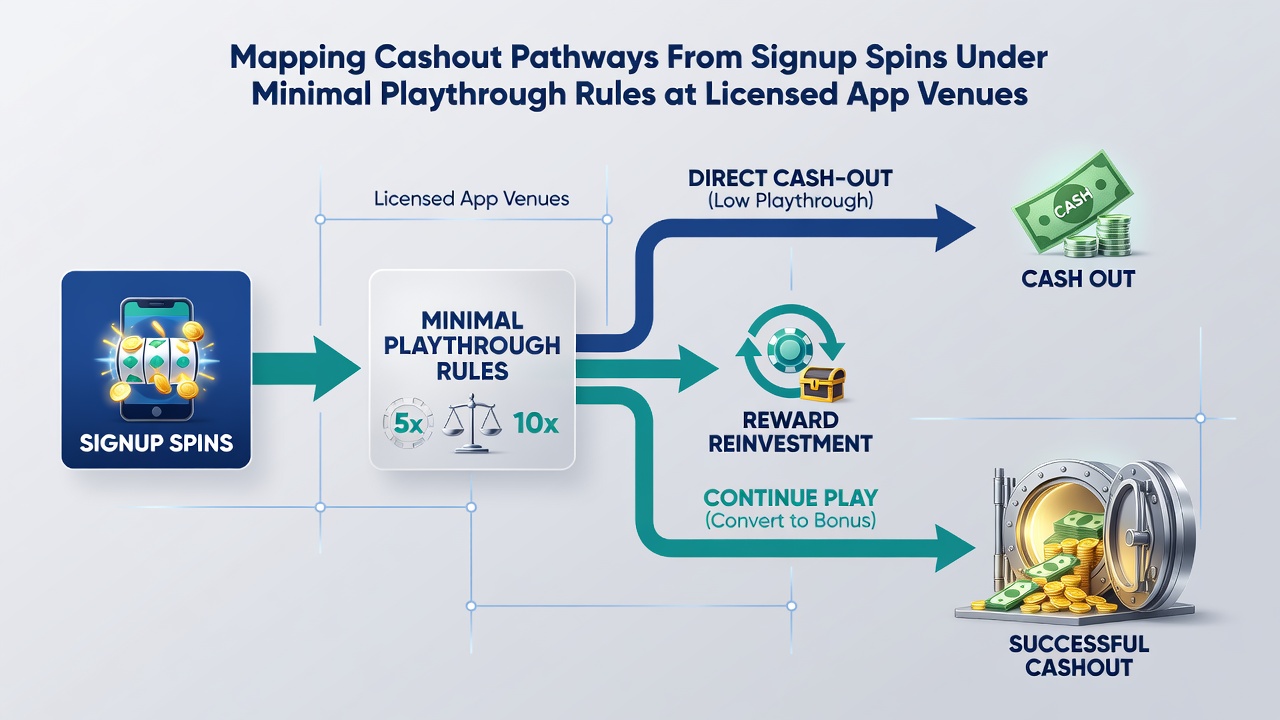
Transaction limits appear in the terms, with daily and monthly caps that adjust according to account tier and verification level. Players who request amounts below the minimum threshold receive automated rejections, while requests above maximum limits require additional manual review that can add extra days. October 2026 updates from several licensing authorities tightened reporting thresholds for large withdrawals, prompting apps to flag any single transaction exceeding ten thousand units for enhanced due diligence.
Regional Licensing Variations That Affect Pathways
Licenses issued by different authorities impose distinct reporting and audit requirements that indirectly influence how quickly apps release funds. Venues holding multiple licenses often apply the strictest rule set across all users to maintain compliance everywhere, which means a player in one region may wait longer than expected because the app follows another jurisdiction's standards. Data compiled by the New Jersey Division of Gaming Enforcement shows that apps operating under its oversight maintain average payout times under forty-eight hours for verified accounts once wagering completes, whereas multi-license operators sometimes extend that window to accommodate additional checks.
Common Obstacles and How They Alter the Route
Technical glitches during the final spin round can leave the playthrough meter incomplete even when the player believes the requirement finished, and support teams resolve most of these cases within one business day after ticket submission. Currency conversion fees also appear when the account base currency differs from the withdrawal method, reducing the final amount received. Those who monitor exchange rates before requesting payouts avoid unexpected shortfalls that otherwise surface only after the transaction processes.
Conclusion
Licensed app venues maintain transparent but layered cashout pathways that begin with verification, proceed through measured playthrough completion, and end with method-specific processing times. Players who track each stage in sequence encounter fewer delays because they align their game choices and document uploads with the documented rules. Ongoing regulatory updates continue to refine reporting thresholds without changing the core sequence that converts signup spin winnings into withdrawable balances.