Code Activation Trails: Retention Patterns Across UK Mobile Gaming Apps
Anna Werner · Jul 24, 2026
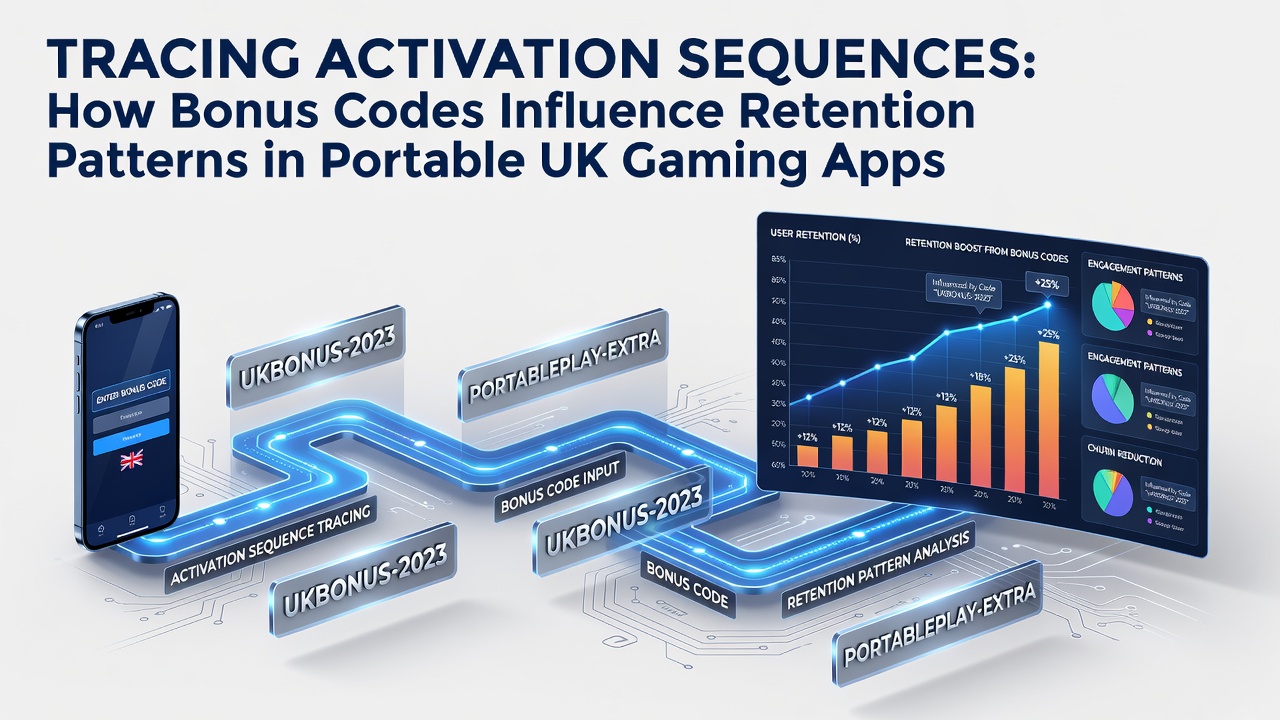
Code Activation Trails: Retention Patterns Across UK Mobile Gaming Apps
Activation Mechanics in Portable Platforms
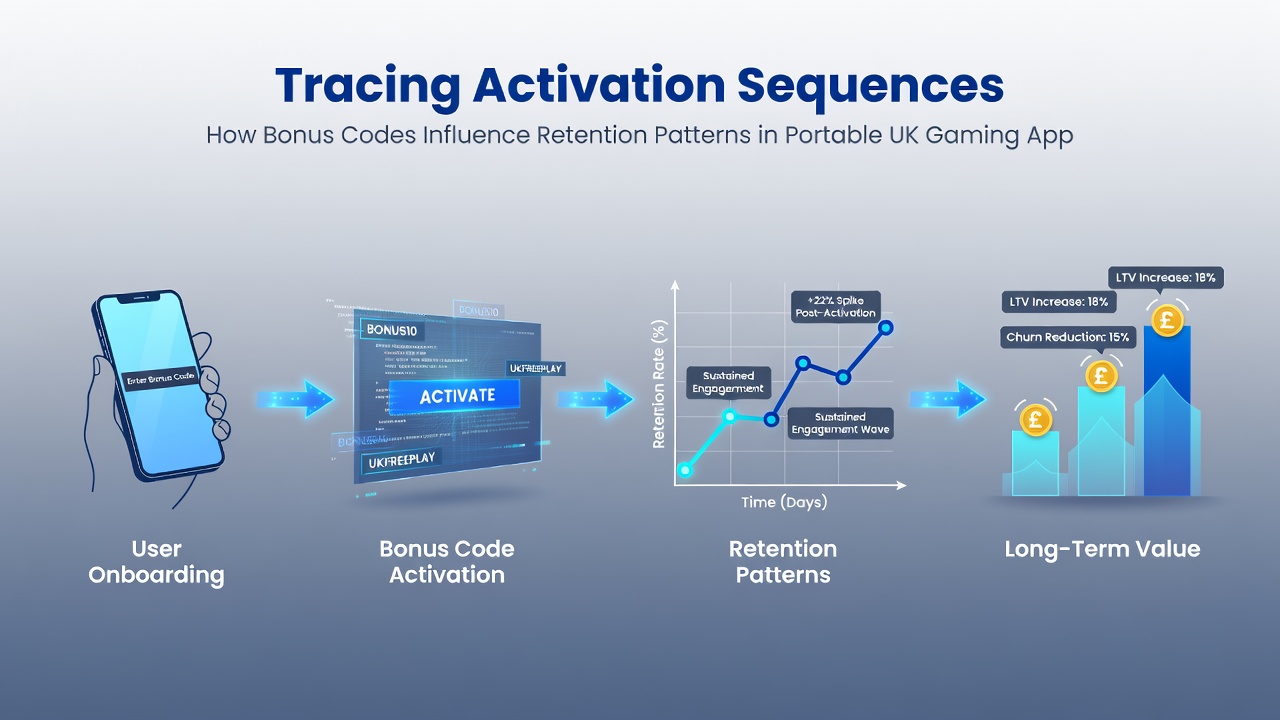
Bonus codes enter user accounts through sequential steps that begin at registration and extend across multiple sessions, and researchers tracking these steps have mapped how each trigger point correlates with return visits in UK mobile applications. Data from industry reports shows that codes requiring immediate verification generate higher initial logins while those tied to progressive milestones sustain activity over longer periods, whereas single-use codes often produce brief spikes that fade within days.
Portable apps record these sequences through timestamped events, and analysts compare entry timing against subsequent play duration to identify which patterns hold users longer. July 2026 updates to several platforms introduced layered code systems that unlock additional features after the first deposit, and figures from platform analytics indicate these layers extend average session counts by measurable margins compared with flat offers.
Retention Data and Sequence Mapping
Studies conducted by the Ontario Lottery and Gaming Corporation on similar mobile systems reveal that codes activated within the first 24 hours after download correlate with 30 percent higher retention at the 14-day mark. Observers note that UK apps display parallel trends when codes integrate push notifications that prompt follow-up actions, and the connection between notification response and continued engagement appears consistent across datasets collected through mid-2026.
Longer activation chains, such as those requiring social shares or friend referrals before full unlock, produce distinct retention curves according to internal platform logs. These chains slow immediate uptake yet maintain steadier weekly returns, and the difference becomes visible when comparing cohorts that receive simple versus multi-step codes during the same promotional window.
Geographic and Demographic Variations
Users in urban UK regions show faster code activation rates than those in rural areas, and retention metrics reflect this split through higher repeat rates among city-based players who receive location-triggered bonuses. Research from the Australian Gambling Research Centre on cross-border mobile patterns supports the observation that demographic filters influence which sequences translate into sustained use, with younger cohorts responding more strongly to time-limited codes.
Platform operators adjust code distribution based on these variations, adn July 2026 implementations include region-specific triggers that align with local usage peaks. The adjustments produce measurable lifts in return frequency, and the data continues to accumulate through ongoing tracking of post-activation behavior across different age brackets and device types.
Technical Tracking Methods
Apps embed unique identifiers within each code to trace its path from distribution to redemption, and backend systems log every interaction point along that path. This granularity allows precise mapping of drop-off moments, such as when verification fails or when users abandon midway through a multi-step requirement. Those who have examined these logs report that seamless sequences without friction points retain users at higher rates, and the pattern holds across multiple UK gaming titles examined in 2026.
Integration with device-level data further refines the picture, and analysts combine activation timestamps with battery usage or notification settings to predict which users will remain active. The resulting models help operators refine future code campaigns without relying on broad assumptions.
Conclusion
Activation sequences tied to bonus codes create measurable effects on retention in UK mobile gaming apps, and the patterns emerge clearly when data collection captures each step from entry through repeated use. Continued monitoring through 2026 and beyond will clarify how evolving code structures interact with changing user behaviors across portable platforms.