Deposit Match Thresholds: Examining Their Role in Player Retention Within Regulated Mobile Gaming Sectors
Anna Werner · Jul 20, 2026
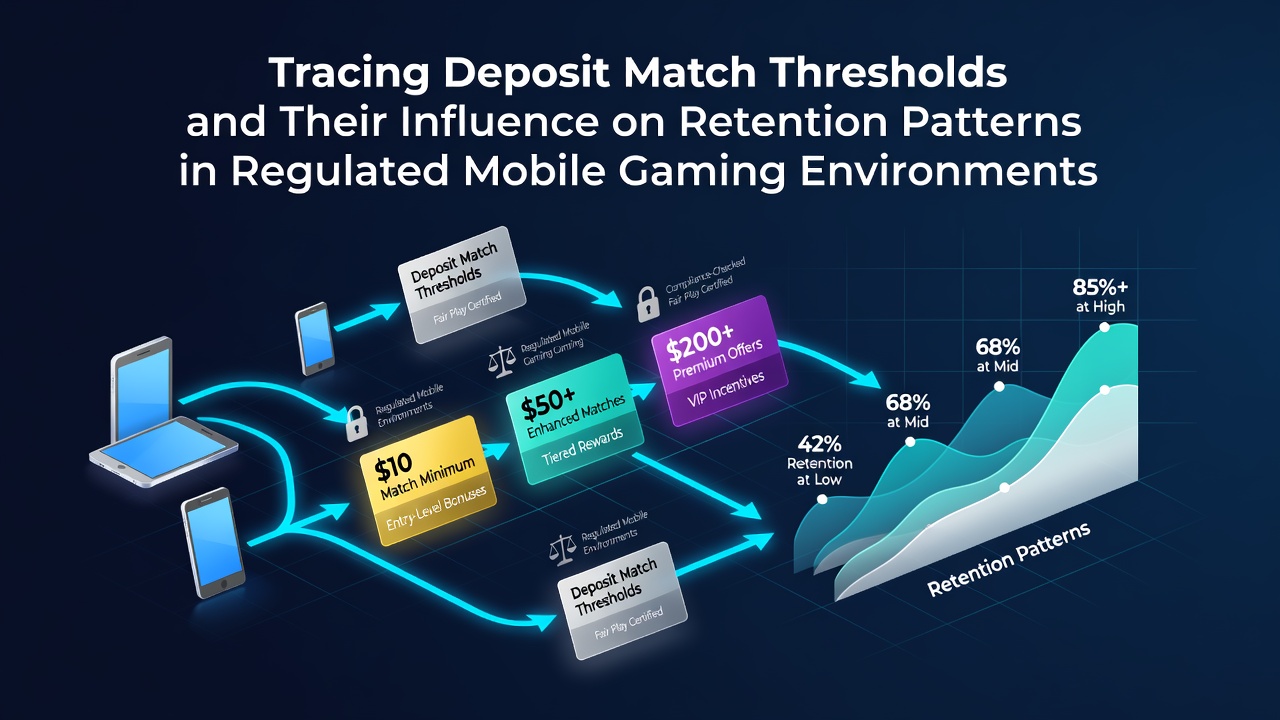
Deposit Match Thresholds: Examining Their Role in Player Retention Within Regulated Mobile Gaming Sectors
Deposit match thresholds operate as defined minimum deposit amounts that unlock bonus percentages in mobile gaming applications, and these parameters connect directly to measurable shifts in how players return to regulated platforms over time. Operators set these levels to balance promotional costs against expected play volume, while regulatory bodies track outcomes through required reporting on player activity and account persistence.
Mechanics of Deposit Match Thresholds
Thresholds typically range from low single-digit amounts up to higher figures that segment casual users from those committing larger initial funds, and the structure determines eligibility for matching bonuses that credit additional play money to accounts. Data from licensing authorities shows platforms adjust these values periodically based on aggregated session logs, with thresholds often calibrated to encourage deposits that exceed the matched portion and extend play sessions beyond the bonus lifecycle.
Regulated environments in multiple jurisdictions require clear disclosure of these thresholds within app interfaces, and compliance audits verify that mobile systems prevent automatic qualification below stated minimums. Studies from research institutions indicate that transparent threshold communication correlates with steadier account funding patterns, as players receive explicit guidance on qualifying amounts before initiating transactions.
Regulatory Oversight Across Jurisdictions
Agencies such as the New Jersey Division of Gaming Enforcement collect monthly metrics on bonus structures including deposit match parameters, and these records reveal how threshold adjustments align with overall market stability measures. Similar frameworks in Canadian provinces and Australian states mandate reporting that separates bonus-driven activity from organic deposits, allowing analysts to isolate retention effects tied to specific threshold tiers.
Threshold policies intersect with responsible gaming tools, where systems flag accounts showing repeated deposits clustered near minimum qualifying amounts. Evidence from industry reports compiled by groups like the American Gaming Association demonstrates that operators integrate these controls without disrupting mobile user flows, maintaining seamless deposit processes while adhering to documented limits.
Retention Pattern Analysis
Retention metrics track return rates at intervals such as day seven and day thirty after initial deposit events, and threshold variations produce observable differences in these figures according to aggregated platform data. Lower thresholds frequently associate with higher initial signup volumes yet show faster drop-off once bonus funds deplete, whereas elevated thresholds link to sustained engagement among players who meet the entry criteria and continue funding accounts independently.
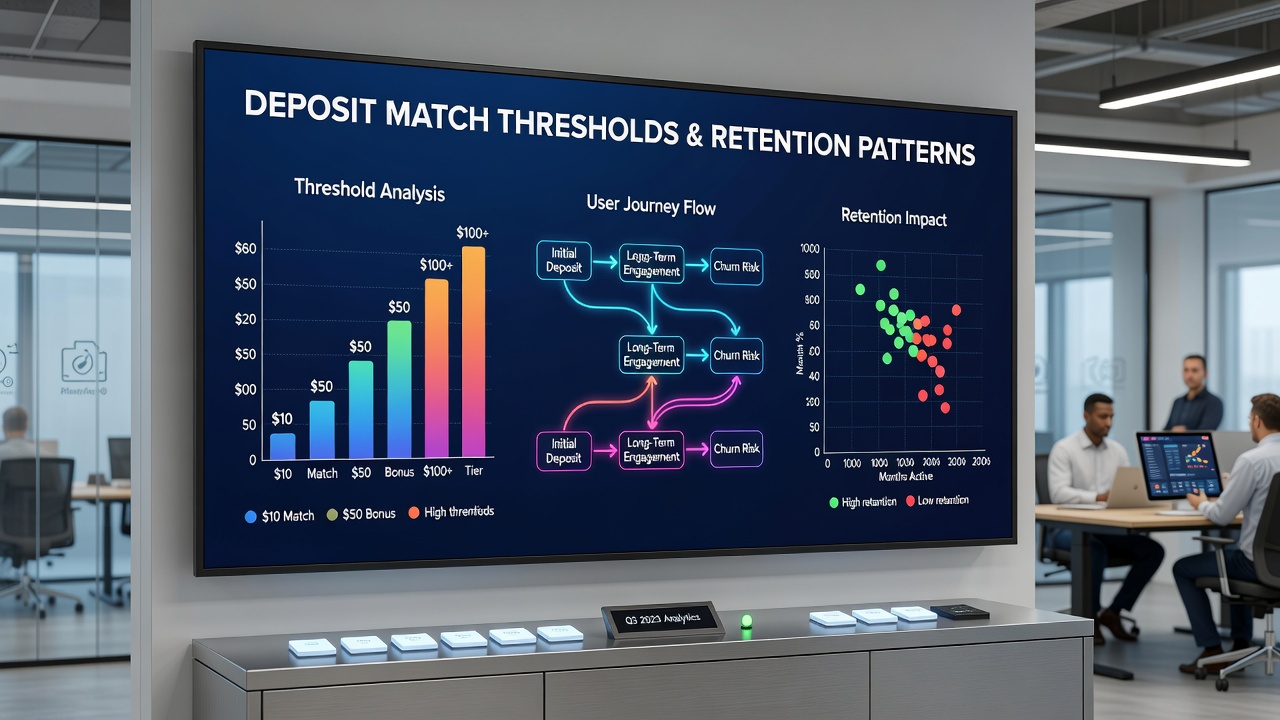
Academic examinations, including work referenced through university gaming research centers, apply cohort analysis to separate players by threshold tier and measure subsequent login frequency alongside wager totals. Findings indicate that mid-range thresholds often yield balanced retention curves, where players maintain activity levels that exceed those observed in either extreme low or high threshold groups during comparable observation windows.
July 2026 data releases from several North American and European licensing bodies highlighted incremental threshold refinements implemented across major mobile operators, and subsequent quarterly filings noted corresponding stabilization in thirty-day retention percentages for affected user segments. These adjustments responded to observed patterns where certain thresholds produced clustering of deposits that failed to convert into recurring play after bonus exhaustion.
Cross-Market Comparisons and Data Trends
Comparative reviews across regulated markets reveal regional differences in optimal threshold placement, influenced by average mobile transaction sizes and prevailing currency denominations. Platforms operating under multiple licenses adapt threshold sets to local requirements while preserving core retention objectives, and cross-border data sharing among regulators facilitates identification of effective configurations that transfer across environments.
Longitudinal tracking shows that players encountering progressively scaled thresholds, where subsequent matches require incrementally higher deposits, demonstrate extended account lifespans compared with static threshold models. Operators apply these graduated structures through algorithmic recommendations within apps, guiding users toward sustainable deposit behaviors that support ongoing participation.
Conclusion
Deposit match thresholds function as quantifiable levers within regulated mobile gaming systems, and available records from licensing authorities plus academic cohorts establish clear linkages to retention outcomes measured through standardized activity intervals. Continued monitoring by oversight bodies will document further refinements as operators respond to evolving player transaction data across global markets.