Engagement Drivers: The Impact of Signup Incentives on Mobile Game Retention
Kai Simmons · Aug 24, 2026
Engagement Drivers: The Impact of Signup Incentives on Mobile Game Retention
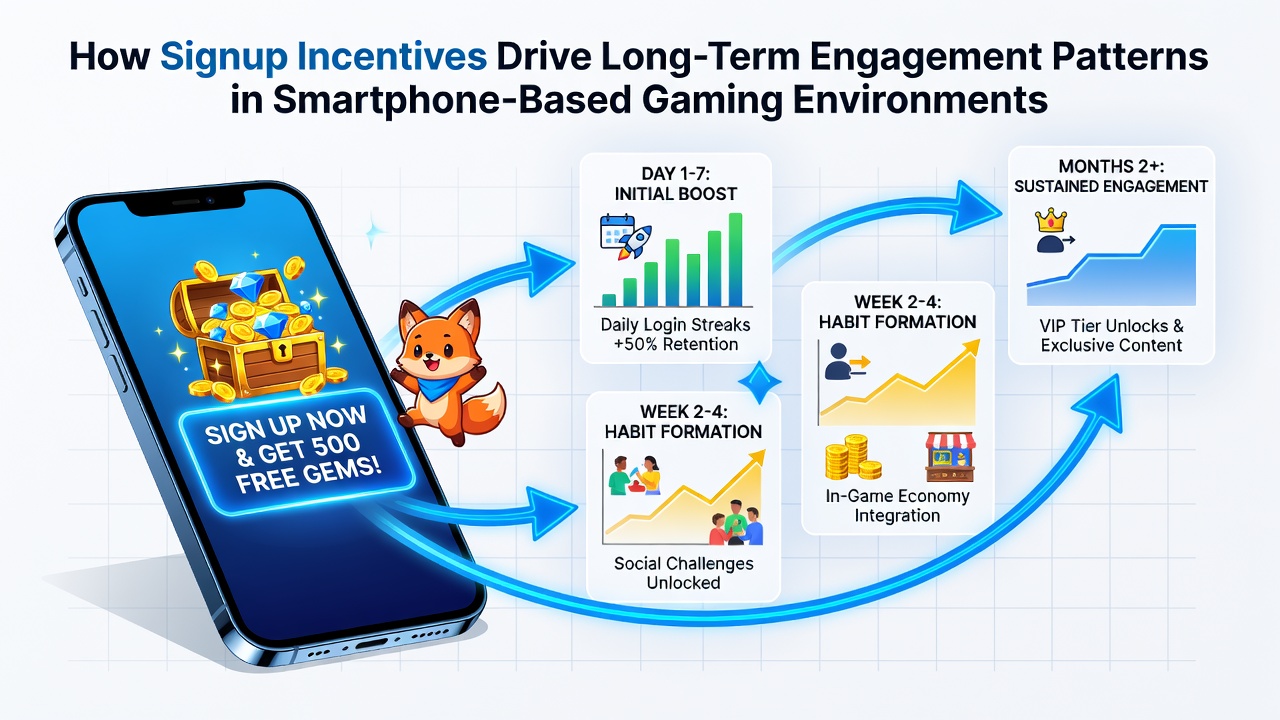
Smartphone gaming continues to expand rapidly and signup incentives have emerged as a central mechanism that shapes how players interact with titles over extended periods; these offers typically include initial resource packs, exclusive characters, or premium currency grants that activate upon account creation and first login. Data compiled by industry analysts shows that games deploying structured onboarding rewards experience measurable shifts in daily active user metrics during the initial weeks after launch, while patterns of return visits often correlate with the perceived value of those early rewards. Researchers tracking cohort behavior across multiple platforms note that incentives tied to progressive milestones rather than one-time drops tend to sustain activity levels longer, particularly when they align with core gameplay loops such as resource gathering or character progression.
Initial Offer Structures and Player Onboarding
Developers design signup incentives to reduce friction during the first sessions, and common formats range from limited-time free spins in puzzle games to starter decks in collectible card titles; these elements lower the barrier for new accounts while simultaneously introducing players to monetization pathways. Studies conducted by academic teams at institutions in North America and Europe indicate that players who redeem an onboarding bonus within the first 24 hours demonstrate higher completion rates for tutorial sequences compared with those who skip the offer. The timing of reward delivery matters because immediate access to premium features creates a sense of investment that encourages continued sessions, whereas delayed or conditional grants show weaker correlations with retention in the same datasets.
Long-Term Retention Metrics Across Platforms
Longitudinal tracking reveals that signup incentives influence engagement curves well beyond the first month, with some titles reporting sustained weekly active user percentages that exceed baseline projections by noticeable margins when rewards include recurring login bonuses or social features. Figures released in August 2026 by international gaming research firms highlight that mobile titles incorporating hybrid incentive models—combining immediate grants with time-gated challenges—achieve stronger month-three retention than those relying solely on front-loaded rewards. Observers tracking user behavior across app stores note that these patterns hold across genres including strategy, simulation, and role-playing games, although the magnitude of the effect varies according to player demographics and regional spending habits.
Comparative Analysis of Incentive Types
- Resource-based offers that provide in-game currency tend to boost short-term session length but require follow-up mechanics to maintain momentum.
- Exclusive cosmetic or narrative unlocks create emotional attachment that researchers link to higher lifetime value metrics in several cohort studies.
- Socially integrated rewards, such as guild invitations or friend referral bonuses, extend engagement by embedding players within community structures.
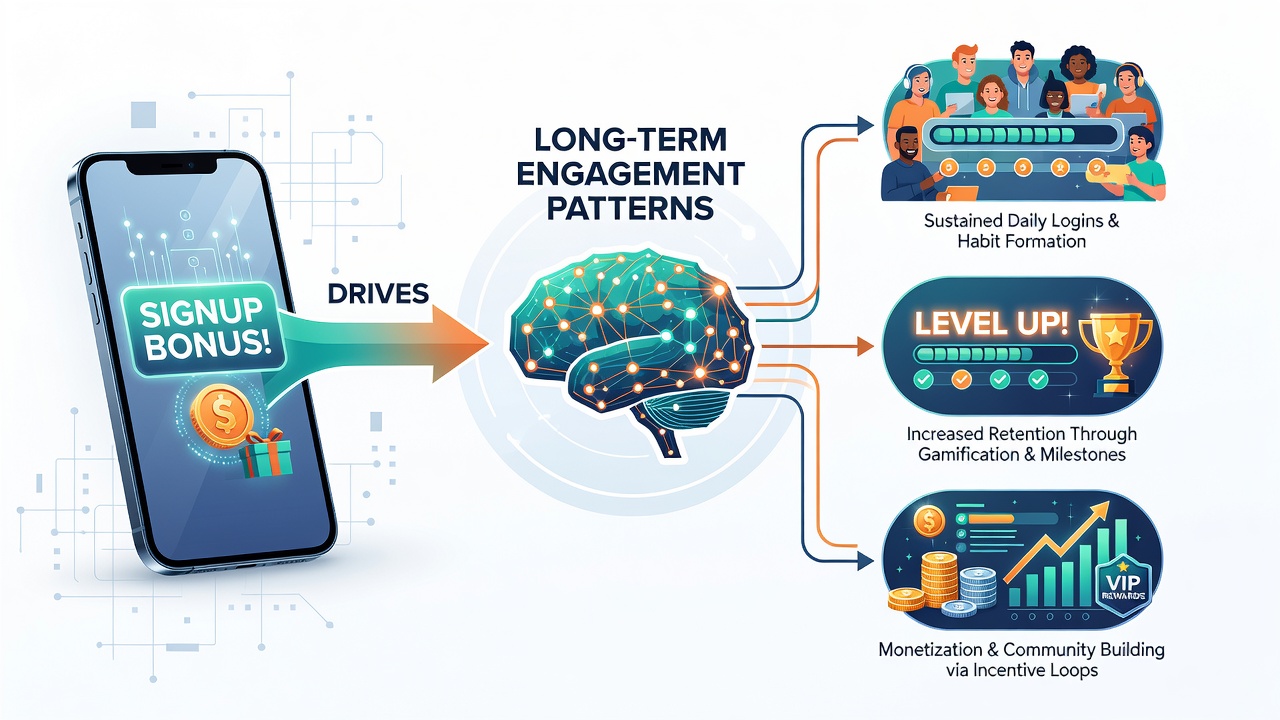
What's interesting is how these categories interact when combined; a single title might deploy currency grants alongside social elements, and data indicates that layered approaches produce more resilient engagement patterns than isolated tactics. External reports from organizations such as the Newzoo Global Games Market Report document similar trends across Asian and North American markets, where developers adjust incentive depth according to local competition levels and device penetration rates.
Behavioral Patterns and Platform Algorithms
App store algorithms factor in early retention signals when determining visibility in recommendation feeds, which means effective signup incentives can indirectly amplify organic discovery; developers who optimize these offers often see compounding effects as higher engagement scores improve placement rankings. Those who've examined telemetry data from major publishers describe how players who complete incentive-linked tasks within the first week exhibit distinct progression curves, frequently advancing to higher spending tiers at later stages. Yet the relationship remains bidirectional because sustained engagement also depends on content updates, community management, and technical stability that extend beyond the initial reward structure.
Regional Variations in Incentive Effectiveness
Market differences influence how signup incentives translate into long-term patterns, with analysts noting stronger responses in regions where free-to-play models dominate and players expect generous starting allocations. Reports from Australian regulatory bodies and Canadian industry associations reveal that cultural attitudes toward digital spending shape redemption rates and subsequent loyalty, while European datasets emphasize privacy-compliant tracking methods that still capture aggregate engagement trends. These geographic distinctions underscore why global studios tailor incentive packages rather than applying uniform templates across territories.
Conclusion
Signup incentives function as foundational tools that steer engagement trajectories in smartphone gaming environments, and evidence from multiple research streams demonstrates their capacity to influence both immediate onboarding success and extended retention outcomes. As platforms evolve and player expectations shift, developers continue to refine these mechanisms through iterative testing and cross-referencing with behavioral analytics, producing models that balance acquisition goals with sustainable play patterns. The interplay between incentive design and algorithmic promotion creates feedback loops that reward titles capable of converting early rewards into lasting habits, a dynamic that industry observers expect to remain central to mobile gaming strategies moving forward.