Mapping Permission Layers for Reward Access in Licensed Casino Mobile Apps
Katja Washington · Jun 24, 2026
Mapping Permission Layers for Reward Access in Licensed Casino Mobile Apps
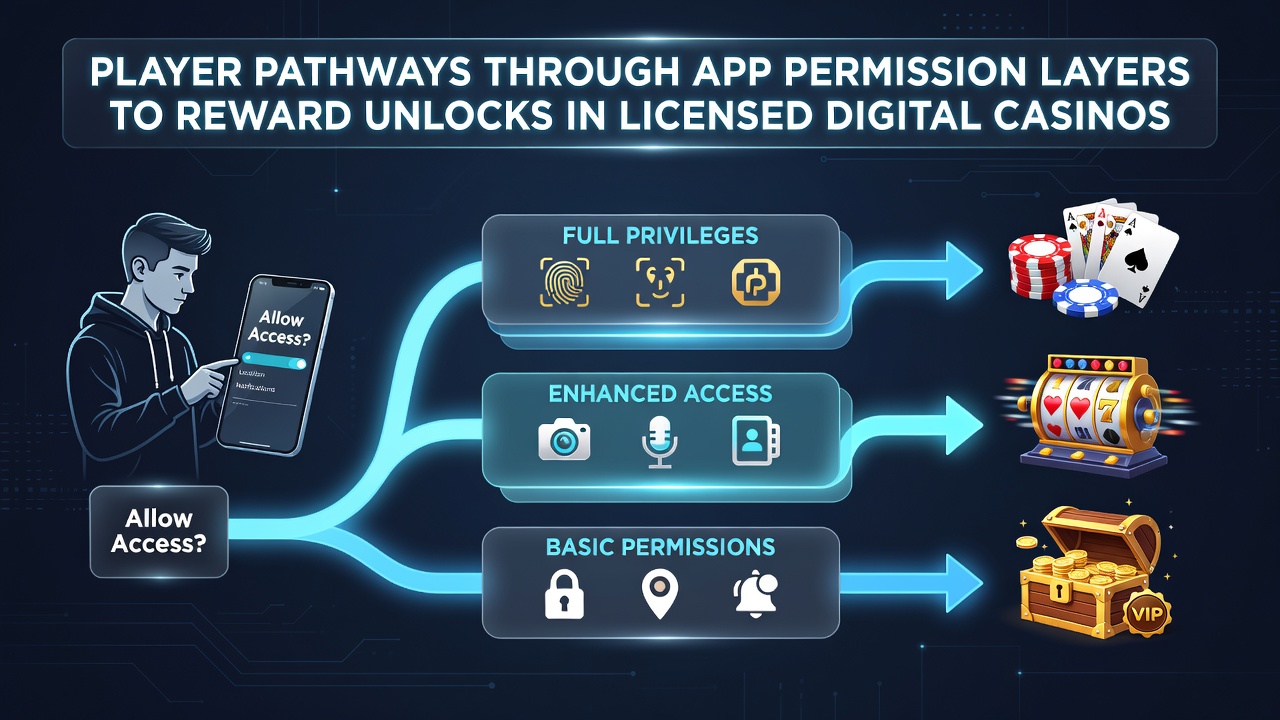
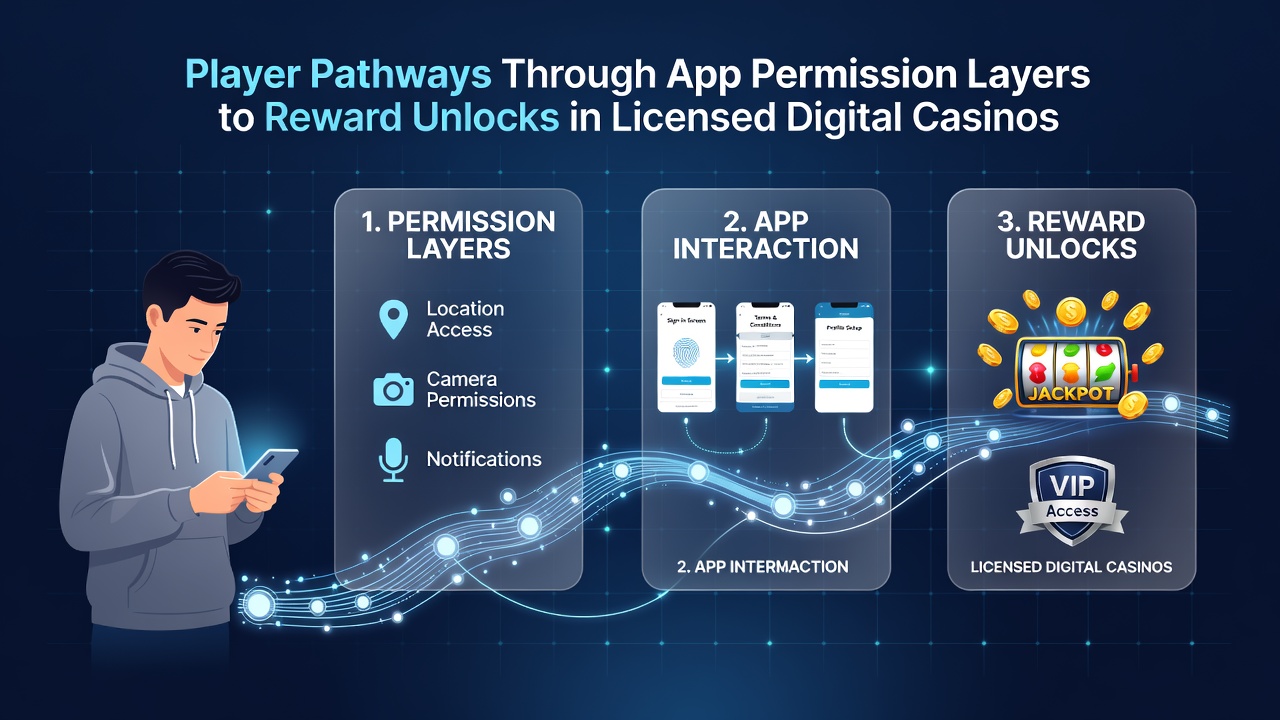
Digital casino applications operate under strict licensing frameworks that integrate permission requests directly into player progression systems, and these structures determine how users move from basic access to full reward eligibility. Permission layers function as sequential gates where each approval unlocks specific features tied to promotions, bonus rounds, and loyalty mechanisms in regulated environments. Data from industry reports shows that apps request camera access for identity verification, location services for jurisdictional compliance, and notification permissions for promotional alerts, with each layer building upon the previous one to create defined pathways.
Core Permission Categories in Licensed Platforms
Licensed operators structure their applications around categories that align with regulatory requirements across multiple jurisdictions, and these categories include storage access for game data caching, microphone permissions for live dealer interactions, and contact list access for referral programs. Researchers at the University of Nevada's gaming studies division documented how these requests occur at precise moments in the user flow, often coinciding with deposit thresholds or level advancements. Players encounter initial prompts for essential permissions during onboarding, while secondary layers activate after account verification completes.
Application developers embed conditional logic that ties permission grants to reward distribution algorithms, and this design ensures compliance while maintaining operational efficiency. According to findings from the Canadian Gaming Association's 2025 annual review, platforms in regulated provinces reported higher engagement rates when permission prompts aligned with clear benefit disclosures. The process creates measurable pathways where users advance through stages, each marked by new capabilities such as personalized game recommendations or accelerated withdrawal processing.
Sequential Pathways and Unlock Mechanisms
Players typically navigate an initial layer focused on device identification and basic functionality, followed by verification layers that enable deposit and withdrawal functions. Once these stages complete, applications introduce promotional permission requests that connect directly to bonus eligibility, and granting notification access often triggers immediate reward notifications or free spin allocations. Studies conducted by the European Gaming and Betting Association reveal that structured permission sequences reduce user drop-off by coordinating requests with visible reward indicators.
Advanced layers incorporate biometric permissions and social sharing authorizations that connect to loyalty tier advancements, while data-sharing consents enable cross-game progress tracking. In June 2026, several operators updated their frameworks to include real-time permission status dashboards, allowing users to review and adjust settings without exiting active sessions. This evolution reflects broader industry shifts toward transparency in how permissions influence reward distribution.
Regional Variations in Permission Frameworks
Regulatory bodies in different regions impose distinct requirements on how permission layers integrate with reward systems, and operators must adapt their applications accordingly. Australian state authorities emphasize location-based permissions for compliance with venue-specific rules, whereas certain US state gaming commissions prioritize identity verification layers before any promotional access activates. The Australian Communications and Media Authority published compliance guidelines in early 2026 that detail acceptable timing for permission prompts relative to reward offers.
Platforms serving multiple markets implement dynamic permission flows that adjust based on user location and licensing jurisdiction, and this flexibility maintains regulatory adherence while preserving reward pathway consistency. Industry analysts tracking these developments note that unified permission management tools have emerged to help operators track compliance across borders without fragmenting the player experience.
Technical Integration and Data Handling
Backend systems record permission states as part of player profiles, linking each approval to specific reward triggers through secure databases maintained under licensing conditions. Encryption protocols protect permission-related data during transmission, and audit trails allow regulators to verify that reward unlocks correspond directly to documented permission grants. Technical documentation from the International Association of Gaming Regulators indicates that standardized APIs now facilitate permission status reporting across licensed platforms.
Developers test permission pathways extensively to ensure smooth transitions between layers, and these tests measure completion rates alongside reward redemption metrics. When users deny certain permissions, applications often provide alternative pathways that maintain access to core functions while limiting promotional features, creating branched routes through the permission structure.
Conclusion
Permission layers in licensed digital casino applications establish structured routes that connect user approvals to reward eligibility, and these systems continue evolving with regulatory updates and technical improvements. Operators maintain detailed records of how each layer functions within their licensed frameworks, supporting both compliance and player progression. The integration of these mechanisms reflects ongoing efforts to balance operational requirements with clear access to available features across regulated markets.