Mapping the Journey from Signup Incentives to Verified Withdrawals in Smartphone Gaming Apps Under Regulatory Scrutiny
Riley Peters · Aug 5, 2026
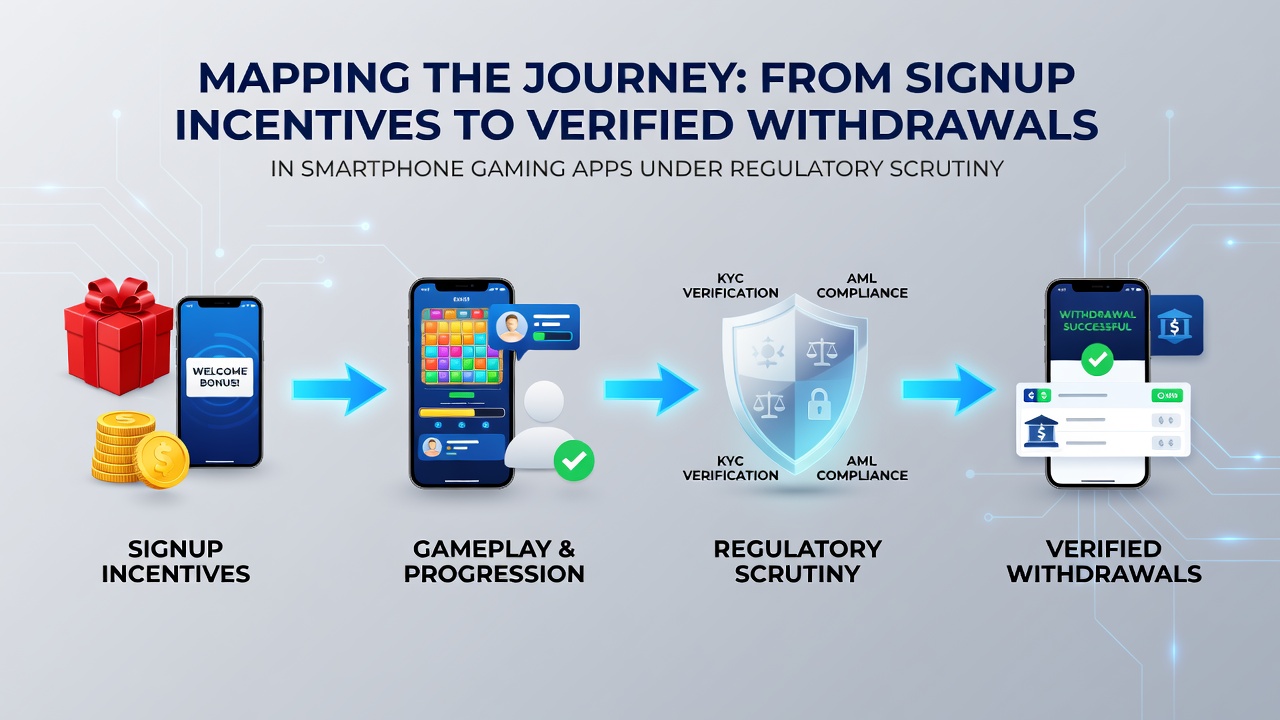
Mapping the Journey from Signup Incentives to Verified Withdrawals in Smartphone Gaming Apps Under Regulatory Scrutiny
Smartphone gaming apps that blend entertainment with real-money mechanics have established clear sequences from initial user registration through incentive distribution and on to verified cash withdrawals, while regulators in various regions monitor each stage for compliance and consumer protection. The process begins when users download an application and complete basic profile creation, often receiving signup incentives such as deposit matches or free credits that appear in their accounts immediately after verification of contact details. These early rewards serve as entry points designed to encourage continued engagement, yet they come attached to terms that require identity confirmation before any funds can move outward.
Initial Registration and Incentive Activation
Users typically enter personal information including email addresses, phone numbers, and sometimes government-issued identification numbers during the first minutes of interaction with these applications. Data from industry reports shows that many platforms activate incentives only after a secondary email confirmation step completes, which reduces duplicate accounts and aligns with anti-money laundering expectations. Observers note that incentive structures vary by jurisdiction, with some operators in North America limiting bonus values until full know-your-customer documentation uploads occur. This phased approach allows applications to distribute small rewards quickly while holding larger amounts until regulatory thresholds are met.
Verification Requirements Before Payouts
Once players accumulate winnings or attempt to convert incentives into withdrawable balances, applications trigger identity verification protocols that request documents such as passports, driver's licenses, and proof of address. Research indicates that successful verification rates improve when apps integrate automated document scanning tools that cross-reference information against public databases in real time. Those who have studied mobile gaming operations point out that delays often arise when submitted materials contain inconsistencies, prompting manual reviews that can extend from hours to several business days. Regulatory bodies in places like New Jersey and parts of Australia have issued guidelines requiring operators to complete these checks within defined timeframes to prevent prolonged fund lockups.
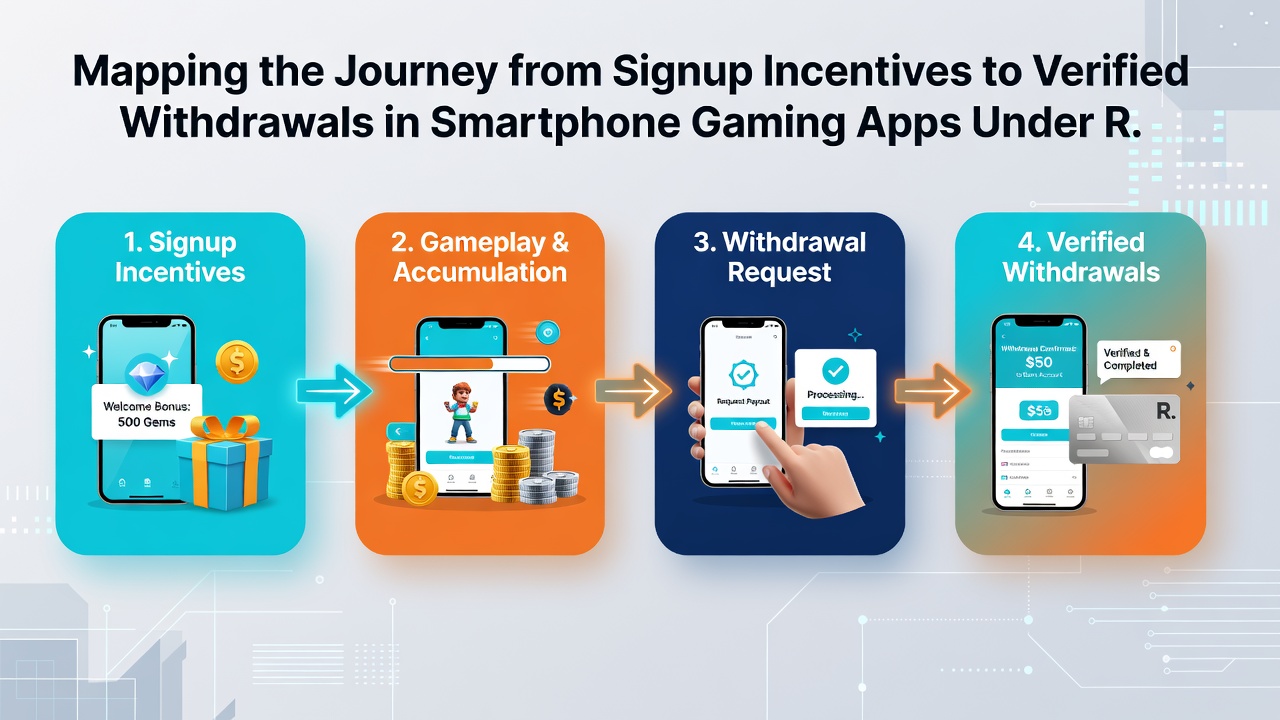
Withdrawal Processing and Regulatory Oversight
After verification clears, withdrawal requests move through payment processing systems that support methods including bank transfers, e-wallets, and sometimes cryptocurrency options depending on local rules. Figures from the American Gaming Association reveal that verified withdrawals in regulated mobile markets averaged processing times of two to five business days during 2025, with faster options available for smaller amounts. Regulators examine these timelines closely because extended holds can signal operational issues or potential compliance gaps. In August 2026, several jurisdictions updated reporting requirements that now compel operators to submit aggregated data on incentive-to-withdrawal conversion rates, allowing authorities to detect patterns that might indicate problematic account behaviors.
Payment service providers also play a role, as they must comply with their own licensing standards that intersect with gaming regulations. Experts have observed that apps operating across borders often maintain separate verification workflows for users in different countries to satisfy varying standards from bodies such as the Nevada Gaming Control Board and the Australian Communications and Media Authority. This segmented handling reduces the risk of cross-jurisdictional violations while maintaining operational efficiency for the platforms themselves.
Challenges in Multi-Region Compliance
Applications face ongoing pressure to update their systems whenever regulatory frameworks evolve, particularly around data privacy and responsible gaming measures. Studies from academic sources have documented how verification friction can influence user retention, with some platforms reporting higher dropout rates during document upload stages. To address this, developers have introduced progressive verification models that allow limited withdrawals after basic checks and escalate requirements only when account activity reaches specific thresholds. Such models have gained traction in markets where regulators emphasize both consumer protection and market accessibility.
Industry associations continue to publish best-practice documents that outline recommended steps for tracking the full lifecycle from signup incentives through final verified withdrawals. These resources help operators align internal processes with expectations set by multiple oversight entities, reducing the likelihood of enforcement actions. Data collected through these frameworks also supports broader market analysis that tracks how incentive programs convert into sustained player activity and eventual cash movements.
Conclusion
The journey from signup incentives to verified withdrawals in smartphone gaming apps remains a focal point for regulatory scrutiny across international markets. Clear documentation trails, timely identity checks, and transparent processing timelines form the core elements that authorities examine when assessing operator compliance. As data collection requirements expand in 2026 and beyond, platforms continue refining their systems to meet standards while preserving user accessibility throughout each stage of the experience.