Registration Rewards as Catalysts for User Pathways in Portable Casino Applications
Katja Coleman · Jun 26, 2026
Registration Rewards as Catalysts for User Pathways in Portable Casino Applications
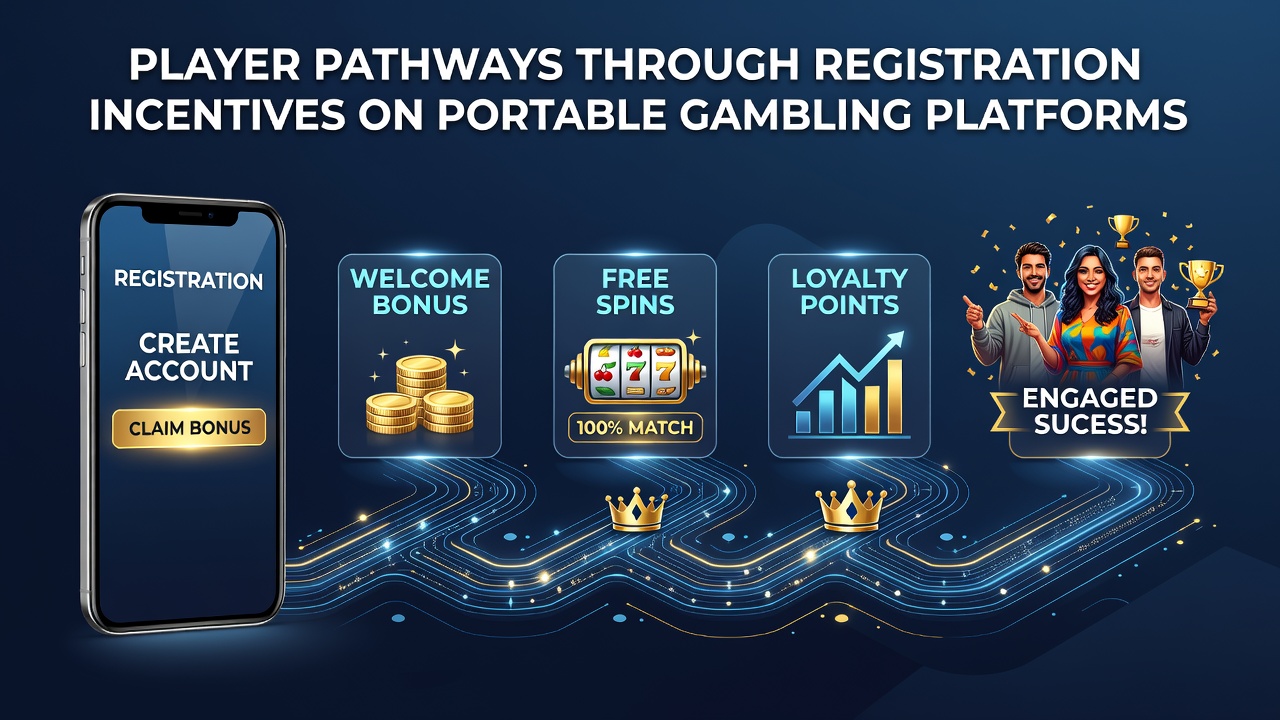
Registration incentives on portable gambling platforms serve as entry points that shape how users move from initial sign-up to sustained activity and potential long-term participation. These offers, which often include deposit matches, free spins, or cashback credits, establish structured sequences that guide players through verification, first deposits, and repeated engagement sessions.
Understanding the Structure of Onboarding Pathways
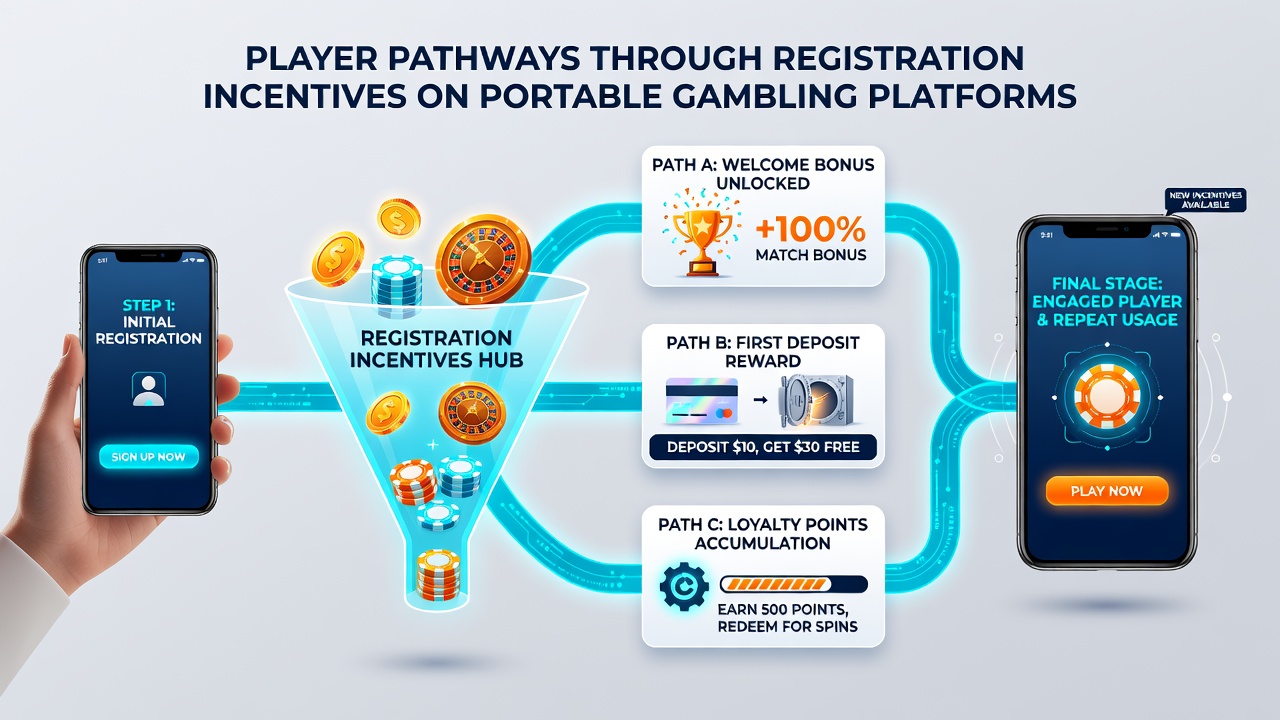
Portable platforms design registration incentives to create predictable progressions where each step builds on the previous one. A player typically begins with account creation using basic details, proceeds to identity verification through documents or biometrics, then activates the bonus upon meeting minimum deposit thresholds. Data from industry reports indicates that completion rates for these sequences rise when incentives tie directly to mobile-specific features such as push notifications or one-tap deposits.
Observers note that the pathway extends beyond the first session. Once a bonus activates, players encounter requirements like wagering thresholds that encourage continued play across multiple days or weeks. This structure aligns with patterns observed in markets outside the UK, including those regulated by bodies such as the Victorian Responsible Gambling Foundation, where tracking shows how initial rewards correlate with extended session durations on handheld devices.
Types of Incentives and Their Influence on Progression
Common incentives fall into categories that affect different stages of the player journey. Deposit-match bonuses accelerate the transition from registration to funded play by scaling rewards with initial transaction sizes. Free spin packages, meanwhile, allow immediate game access without immediate cash outlay, which shortens the gap between sign-up and active participation. Cashback offers, often introduced later in the sequence, provide a safety net that retains users after early losses.
Research indicates variations in effectiveness across regions. In North American markets monitored by state regulators, deposit-match structures tend to drive faster deposit activity, whereas free spin bundles show higher activation rates among casual users who prefer low-commitment entry points. These differences highlight how platform operators adjust incentive mixes based on regional player demographics and device usage data.
Device-Specific Factors Shaping Mobile Pathways
Portable platforms leverage device capabilities to streamline incentive delivery. Biometric login options reduce friction during verification steps, while integrated payment wallets accelerate the move from bonus claim to gameplay. App analytics reveal that users who complete registration on smartphones exhibit different retention curves compared with those who begin on tablets, with shorter intervals between sessions on smaller screens due to always-on accessibility.
June 2026 figures from cross-border studies show increased integration of location-based triggers that remind users of pending bonus conditions when they enter permitted gaming zones. Such features extend the pathway beyond the initial registration window and create recurring touchpoints that encourage return visits without additional marketing spend.
Retention Mechanisms Within Incentive Structures
Longer-term pathways emerge when incentives incorporate tiered rewards that unlock after cumulative play volume or time spent on the platform. Loyalty points earned through bonus play convert into higher-value offers, forming a loop where early registration benefits feed into ongoing progression systems. Evidence from academic analyses of gambling behavior demonstrates that these loops increase the probability of players reaching the second and third deposit milestones.
Operators track metrics such as bonus redemption rates and post-bonus deposit frequency to refine these pathways. Adjustments often focus on reducing drop-off points, such as complex wagering calculations or delayed credit releases, which data shows correlate with higher abandonment after the first session. Platforms that simplify these elements report steadier movement through subsequent stages of the player lifecycle.
Regulatory Contexts Across Jurisdictions
Different regulatory environments shape how incentives integrate into player pathways. In Australian states overseen by local commissions, rules around bonus advertising influence how offers appear during registration, requiring clear disclosure of terms before activation. European frameworks similarly mandate transparency on wagering conditions, which affects the pacing at which players advance from sign-up to full engagement.
Canadian provincial regulators have introduced guidelines on incentive visibility that impact mobile interface design, ensuring users encounter terms at key decision points rather than after bonus claims. These variations create distinct pathway shapes depending on where the platform operates and which oversight body sets the standards.
Conclusion
Registration incentives function as navigational tools that define how users progress through portable gambling platforms, from account creation through sustained activity. The combination of bonus types, device features, and regulatory requirements produces measurable sequences that operators monitor and adjust based on performance data. As platforms continue evolving their mobile offerings, these pathways remain central to understanding user movement and platform dynamics across multiple markets.