Retention Mechanics in Regulated Mobile Gaming: Building Lasting Player Engagement Through Loyalty Frameworks
Kai Simmons · Jul 17, 2026
Retention Mechanics in Regulated Mobile Gaming: Building Lasting Player Engagement Through Loyalty Frameworks
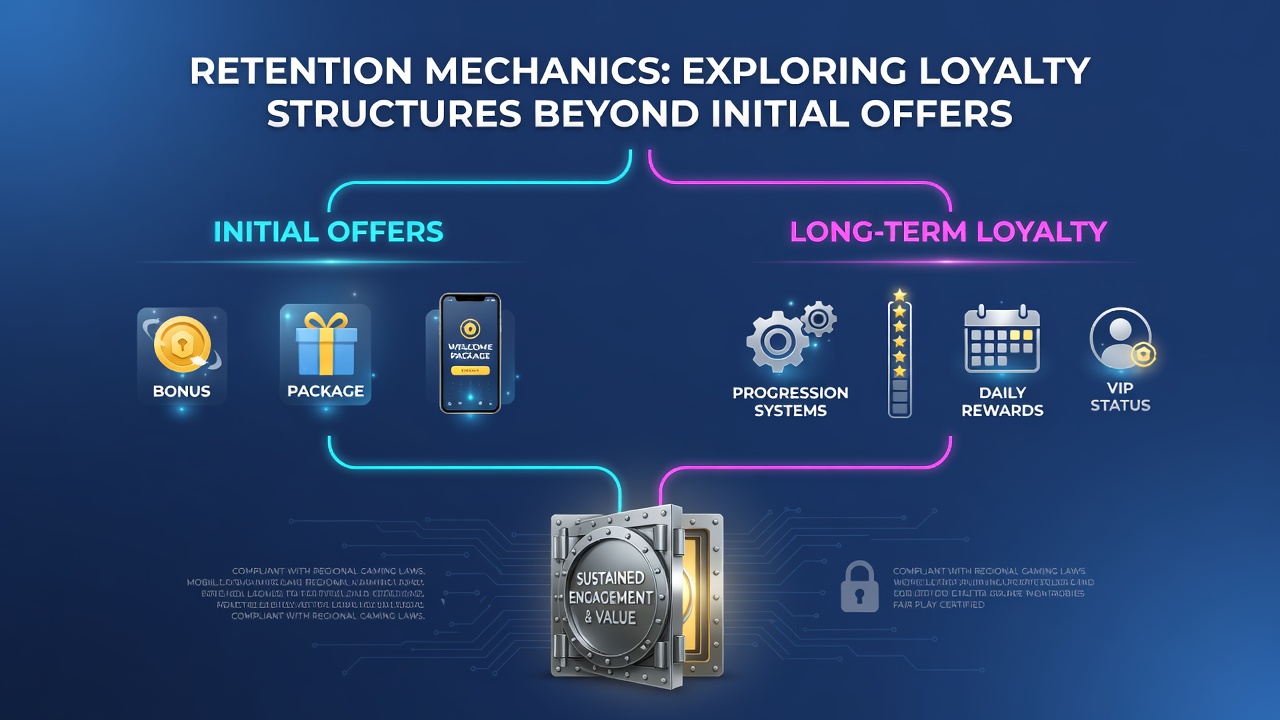
Regulated mobile gaming markets rely on structured retention systems that extend well past initial sign-up incentives, and operators deploy these frameworks to maintain consistent engagement while adhering to licensing standards across multiple jurisdictions. Data from industry reports show that loyalty structures such as tiered point accumulation, personalized cashback schedules, and milestone-based rewards appear in platforms licensed in regions including the United States, Canada, and parts of Europe.
Core Components of Retention Systems
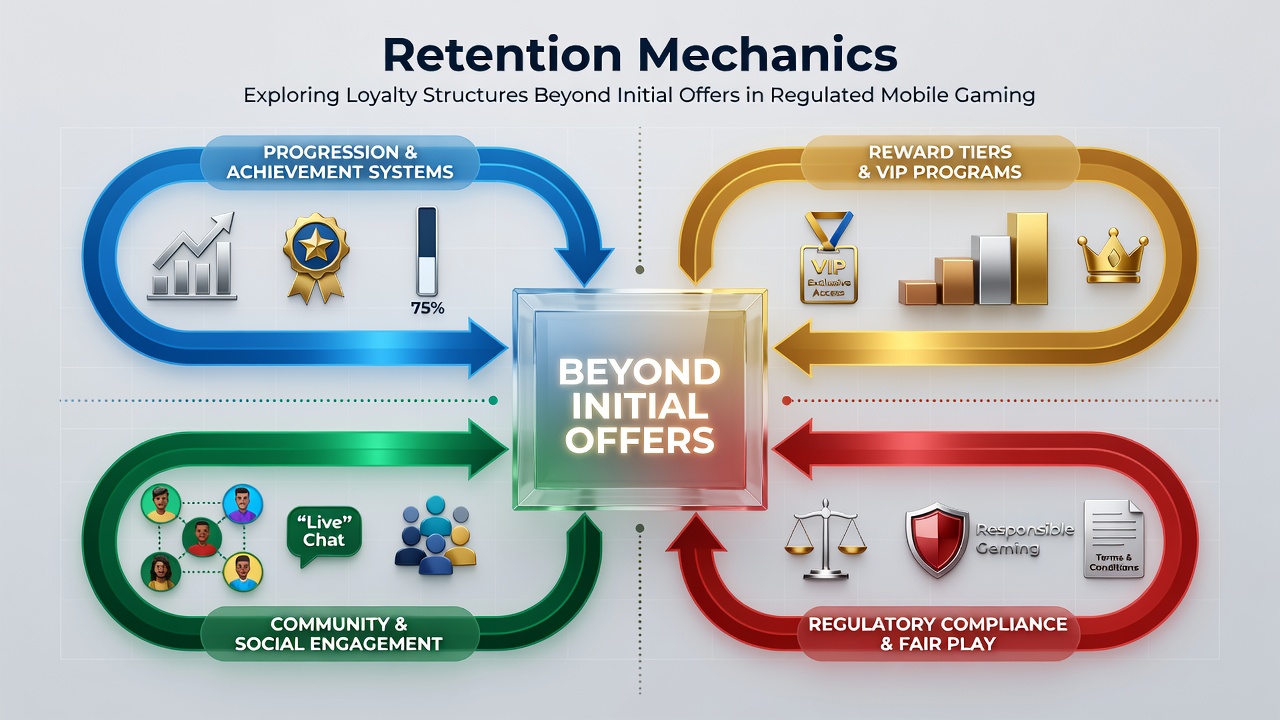
Retention mechanics typically incorporate cumulative reward tracking where players earn points through regular play sessions, and these points convert into credits, free spins, or merchandise depending on the operator's configuration. Researchers at academic institutions have documented how such systems integrate with regulatory requirements that mandate transparent terms for reward expiration and redemption rates. Operators adjust point values and tier thresholds based on player activity patterns observed through platform analytics.
What's interesting is the way many systems layer additional benefits once players reach higher status levels, and these can include faster withdrawal processing, dedicated account support, and exclusive game access that remains unavailable to standard accounts. Figures from the Alcohol and Gaming Commission of Ontario indicate steady adoption of multi-tier loyalty models among mobile operators in that province through the first half of 2026.
Personalization and Data-Driven Adjustments
Modern retention approaches use behavioral data to tailor offers, and algorithms analyze session length, game preferences, and deposit frequency to generate targeted promotions. One study released by the University of Nevada, Reno examined how these adjustments influence return rates without violating responsible gaming provisions embedded in state regulations. The findings reveal that segmented offers produce measurable differences in weekly active users compared with uniform reward distributions.
Yet operators must balance personalization against strict data protection rules, and compliance teams review automated campaigns to ensure they do not target players who have self-excluded or set spending limits. Industry associations such as the American Gaming Association have published guidelines that encourage transparent communication of how loyalty data gets processed and stored.
Regulatory Oversight Across Jurisdictions
Regulators in different markets impose distinct rules on loyalty mechanics, and operators must adapt their structures accordingly when expanding across borders. In Australia, for instance, state-level gaming authorities require clear disclosure of any wagering obligations attached to loyalty rewards, while Canadian provincial frameworks emphasize audit trails for point issuance and redemption. These variations create operational complexity for developers who maintain unified mobile platforms serving multiple regions.
But here's the thing: many systems now embed automated compliance checks that flag reward offers exceeding regulatory thresholds before they reach players. This integration reduces manual review time and supports consistent enforcement of rules that protect player funds and limit excessive play.
Examples of Implemented Structures
Take one operator licensed in multiple U.S. states that introduced a hybrid model combining time-based challenges with spend-linked bonuses, and the program tracks completion through in-app progress meters visible to players at any time. Another platform operating under the Alcohol and Gaming Commission of Ontario added seasonal leaderboards that award bonus credits to top performers while maintaining separate leaderboards for different game categories to encourage broader participation.
Those who've studied this know that successful retention often depends on predictable reward delivery rather than occasional large prizes, and data collected through 2026 continues to support the effectiveness of steady, smaller incentives delivered at regular intervals. Operators refine these schedules using A/B testing conducted under the supervision of internal compliance departments.
Conclusion
Retention mechanics in regulated mobile gaming continue to evolve through iterative updates that respond to both player behavior patterns and changing regulatory expectations. Platforms that integrate transparent loyalty structures with automated compliance features demonstrate measurable improvements in sustained engagement metrics across licensed markets. Observers note that ongoing collaboration between operators, regulators, and research institutions shapes the next generation of these systems while preserving core standards of fairness and player protection.