Retention Metrics Linked to Low-Wagering Mobile Bonus Structures at Licensed UK Sites
Riley Peters · Aug 3, 2026
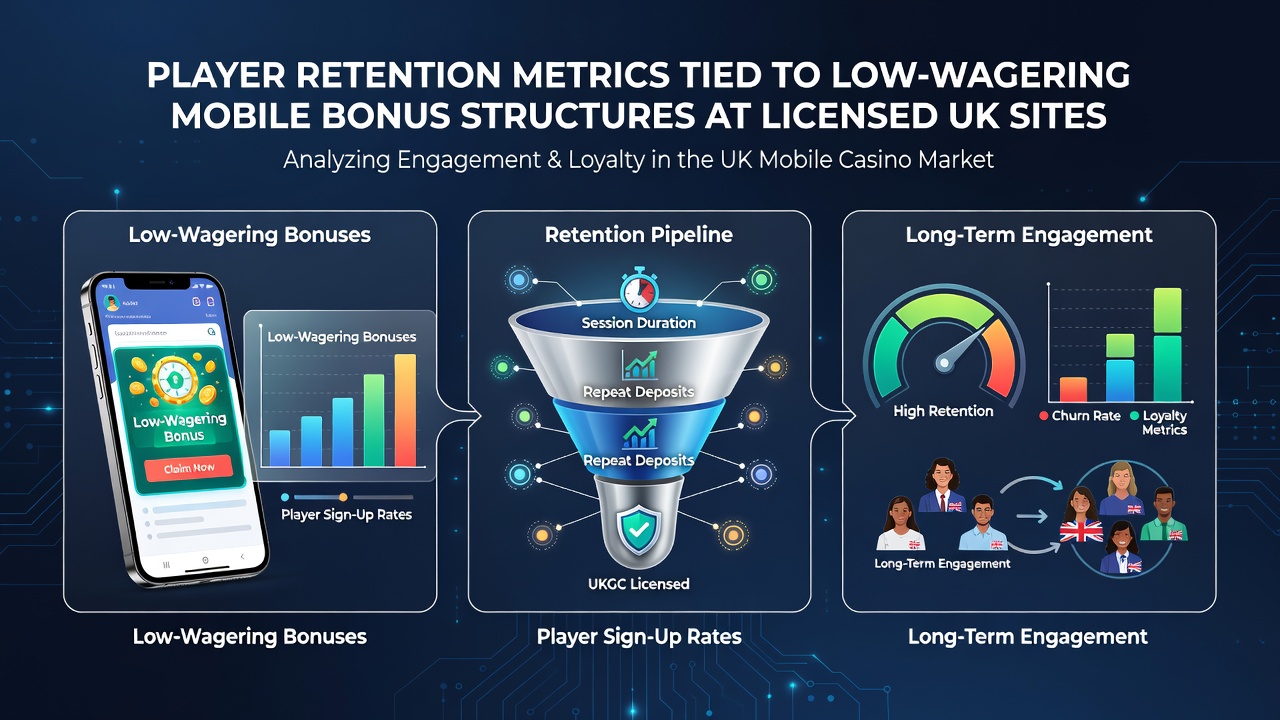
Retention Metrics Linked to Low-Wagering Mobile Bonus Structures at Licensed UK Sites
Operators at licensed UK sites track player retention through metrics that include day-one return rates, seven-day active user counts, and thirty-day churn percentages, and low-wagering mobile bonus structures influence these numbers directly because they reduce the playthrough threshold before withdrawals become available. Research from academic sources shows that when wagering multipliers drop below ten times the bonus amount, mobile users complete requirements faster on smartphones and tablets, which leads to higher continuation rates compared with standard thirty times structures. Data indicates that retention improves when players receive clear notifications about progress toward cashout eligibility, and operators adjust bonus terms accordingly in response to these patterns.
Core Metrics and Measurement Approaches
Analysts calculate retention by dividing the number of users who log in on a specific day after the initial deposit by the total cohort size from the acquisition period, while low-wagering offers on mobile platforms accelerate this process because they shorten the time between signup and first payout. Figures from industry reports reveal that cohorts exposed to five times or lower wagering requirements maintain seven-day retention above forty percent in many cases, whereas higher thresholds correlate with steeper drop-offs after the third day. Observers note that mobile-specific tracking tools capture session length and device type alongside bonus usage, which allows operators to segment data by operating system and app version.
Those who study these structures find that average revenue per retained user rises when bonuses carry modest playthrough demands, since players who clear requirements quickly tend to deposit again within the same week. Reports compiled in August 2026 highlight how push notifications about remaining wagering steps increase return visits by prompting users to finish requirements before the offer expires. Experts observe that combining low-wagering terms with deposit-match percentages produces measurable lifts in thirty-day retention without increasing overall bonus liability beyond expected ranges.
Mobile Platform Influences on Bonus Effectiveness
Mobile interfaces present bonus terms in scrollable formats that users review during short sessions, and this accessibility contributes to higher completion rates when wagering stays low. Researchers at the International Gaming Institute have documented how touch-optimized progress bars reduce abandonment compared with desktop versions of teh same offers. Licensed operators deploy A/B tests that isolate wagering multipliers while holding other variables constant, and results consistently show elevated retention for groups receiving the reduced requirements.
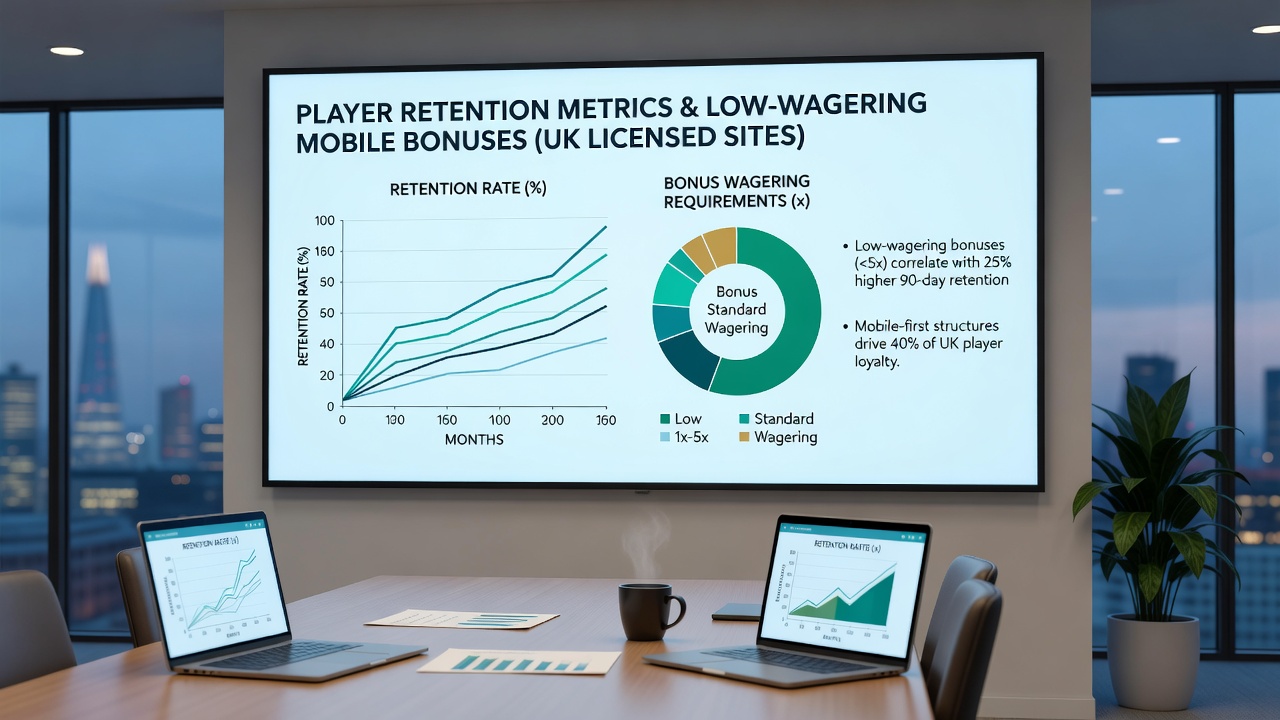
Device fingerprinting and geolocation data help confirm that players remain within regulated jurisdictions while using these bonuses, which supports compliance and provides cleaner datasets for retention analysis. Patterns emerge when operators examine hourly activity logs, because low-wagering mobile bonuses encourage users to return during commute times or evening windows rather than abandoning the app after initial spins. Studies indicate that integration with biometric login features further supports retention by removing friction at each return visit.
Comparative Data from Broader Markets
Evidence gathered by the Australian Institute of Family Studies on international bonus models suggests that markets with stricter wagering caps experience steadier player continuation than those permitting higher multipliers. UK operators apply similar principles at scale, adjusting mobile bonus structures after reviewing cohort performance across multiple acquisition channels. Retention curves flatten when players perceive the path to cashout as achievable within a reasonable timeframe, and low-wagering terms contribute to that perception without requiring operators to increase bonus amounts.
Those reviewing aggregated datasets note seasonal variations, with summer months showing slightly lower baseline retention that low-wagering offers help offset through targeted mobile campaigns. Operators monitor lifetime value alongside retention percentages because players who remain active longer generate more revenue even when individual bonus redemptions stay modest. Reports released around August 2026 emphasize the role of real-time analytics dashboards that flag when retention metrics dip below internal benchmarks, prompting immediate review of current bonus parameters.
Conclusion
Retention metrics tied to low-wagering mobile bonus structures at licensed UK sites demonstrate clear connections between reduced playthrough demands and improved return rates across day-one, seven-day, and thirty-day windows. Operators rely on segmented mobile data to refine these structures, while external research from academic and international bodies provides context for observed patterns. Continued tracking through 2026 and beyond will show how adjustments to wagering thresholds affect long-term player behavior in this regulated environment.